

Editorial Policy
Mopoga lists games other people made and publishes guides about playing them. Both of those ask you to take our word for something, so this page sets out whose word it is. It covers who writes here, how a game earns a listing, what we check before publishing, where money sits in relation to editorial decisions, and how to get something corrected when we are wrong.
- Written by four peopleEvery guide, listing note and blog post on Mopoga comes from the team named on this page, and carries a name rather than an admin byline.
- We open every gameA title is played on a phone and on a desktop before it is listed, and pulled from the library once it stops loading.
- Adverts buy space, not coverageAd networks have no say over what is listed, which category it sits in, or what a guide says. Nobody pays to be in the library.
- Paid content is labelledWhere a post is sponsored or placed by a partner, it says so on the page, and it still has to be worth reading.
- Corrections are publicWhen we get something wrong we fix the page and date the change rather than editing it quietly.
Why This Policy Exists
Mopoga is a library of free browser games published at imopoga.com, together with guides about playing them. When you open a category and trust that the games inside it belong there, or follow a guide because it says a setting will help, you are relying on work you cannot see.
This page describes that work. It applies to everything we publish: game listings and their descriptions, category pages, the guides, blog posts, and the notes we add when something changes. It is written so you can judge whether to trust a page here, and so you can hold us to it when a page falls short.
Nothing on this page is a legal undertaking. It is a description of how we work, and we would rather be told we have broken it than have it quietly become untrue.
Who Writes For Mopoga
Four people run the site, and each writes about the part of it they actually work on. Nobody here writes about a game they have not opened.

Brew
Founder
Nine years in mobile gaming. Sets the standard a title has to meet before it is listed, and has the final say on what stays in the library.

Justin Scott
Game Development
Works through the development problems behind slow and broken titles. The performance and troubleshooting guides come out of that work.
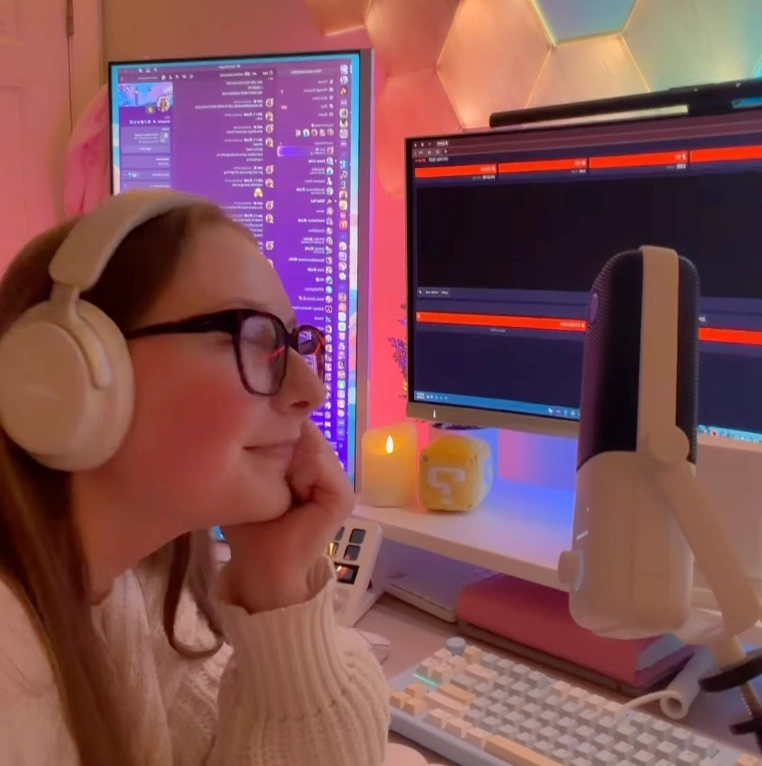
Elle
Social And Blog
Runs the video and blog side, turning what players report into posts other players can use.

Em
Social And Blog
Keeps the feeds and the blog moving, and collects the questions that come in often enough to become a guide.
Outside writers are welcome, and the terms are in section nine. What does not happen here is an unnamed byline. If a page does not say who wrote it, that is an oversight, and telling us about it counts as a correction.
How We Decide What To Cover
Two things drive almost everything published here: what arrives in the support inbox, and what the library actually needs.
- Questions we are asked often enough become guides. When the same problem reaches support three or four times, it stops being a reply and becomes a page.
- Games are added because they meet the standards below, not because a publisher asked politely or offered something in return.
- We leave things out. A directory is only worth reading if someone is willing to exclude from it. A title that fails a standard does not get a softer write-up, it gets left off.
- We do not cover a topic just because it ranks. A page written for a search engine instead of a reader tends to say nothing, and it is obvious to everyone.
How A Game Earns A Listing
These are the standards a title has to meet before it appears in the library, and the reason a listing is removed later.
- 01It runs in the browser. The game has to start inside a normal tab. No install, no app store detour, no companion download. A title that needs a native app to work properly does not belong here.
- 02It is free to open. Every game can be started without a payment, a trial window or card details. A game may sell things inside itself, but the door is never locked.
- 03It works on a phone. Controls have to be usable with a thumb on a mid-range handset, not only with a mouse on a large screen.
- 04It sits in the right category. Categories exist so you can rule things out quickly, which only works if they are accurate. A racing game filed under puzzle wastes your time.
- 05It gets pulled when it breaks. Games disappear, licences lapse and providers change things without warning. A listing that no longer loads is a broken promise, and we would rather remove it than leave it up.
These same standards decide removals. A game that stops meeting one of them comes out of the library whether or not anyone has complained about it.
What We Check Before Publishing
Every listing and every guide goes through the same short set of checks. They are unglamorous, and they catch most of what would otherwise go wrong.
- The game is opened on a phone and on a desktop browser. A title that only behaves on one of the two is noted as such or left out.
- The page is loaded without an account and without a download. If either is demanded at any point, the title fails the second standard above.
- Controls are tried with a thumb. Not with a mouse and then imagined on a phone.
- The category is checked against what the game actually is, rather than against what its own description claims.
- Guide steps are followed on the device the guide describes. If a step cannot be reproduced, it does not go in.
- Anything time-sensitive is dated. Browser behaviour, device performance and provider arrangements all move, so a claim that will age is written with the date attached.
Sources And Attribution
Most of what we publish comes from our own testing. Where it does not, we say so.
- Claims that come from someone else are linked to the source, so you can check it rather than take our summary of it.
- We do not republish other people's writing. Where another site got there first, we link to them and add only what we can add.
- Game names, logos and artwork stay the property of the studio or publisher that made them. They appear here to identify a game, not to suggest the publisher endorses this site.
- Press material is identified as press material when we use it, rather than passed off as something we captured.
Copyright complaints are handled separately and quickly. The process is set out on our DMCA Policy page.
How We Use AI Tools
We use AI tools the way we use a spellchecker or a search engine: as help with the work, never as a substitute for doing it. Saying otherwise would be easy and untrue, so here is where the line sits.
- Drafting, outlining and tidying are fair use of a tool. A first draft or a rewritten paragraph may start in one.
- Judgement is not. Whether a game is worth listing, which category it belongs in and whether a fix actually works are decided by a person who opened the game.
- Nothing goes out unread. A named member of the team checks every published page against the game or the device in question, and is answerable for it.
- We do not present generated images as gameplay. A screenshot on Mopoga is a screenshot of the game.
Advertising, Affiliates And Sponsorship
Mopoga is free to use and is paid for by advertising and by commercial arrangements with partners. That money is what keeps the library free, and it is kept away from the decisions on this page.
- No one pays to be in the library. There is no fee to be listed, no paid placement in a category, and no way to buy a better position on a page.
- Ad networks supply the adverts, not the editorial. Advertisers do not see pages before they publish and have no influence over what a guide says.
- Sponsored and partner content is labelled at the top of the page, in plain words rather than a symbol you have to hover over.
- Paid placement still has to earn its place. A sponsored post is edited to the same standard as anything else here, and we turn down ones that would not be worth reading without the fee.
- Affiliate links are disclosed on the page they appear on. Where we earn a commission, you are told before you click, not after.
About the adverts themselves. Adverts are served by third party networks and we do not write them. If one leads to a download prompt, a fake system warning or a request for card details to unlock a free game, that is not us. Do not accept it, and send us the page it appeared on so we can have the creative pulled.
Guest Posts And Outside Contributions
We publish writing from people outside the team, including posts placed by partners and clients. The commercial side of that arrangement does not change what gets published.
- Pitch the angle first. Four or five lines of outline is plenty. We would rather say no early than edit something neither of us wanted.
- It has to stand on its own. A post whose only purpose is to carry a link is not a post, and gets declined regardless of what is on offer.
- Links have to belong to the sentence they sit in. Relevant to the topic, useful to the reader, and going somewhere a reader would not resent being sent.
- We edit. Headlines, structure and claims that will not survive a check are all fair game, and we will come back to you before anything substantive changes.
- It publishes under the writer's name, with a commercial label where one applies.
- We decline more than we accept, and a rejection is about fit rather than a judgement on the writer.
Submissions, guide pitches and blog ideas all go to the same inbox. Put which of the three it is in the subject line.
Corrections And Updates
A site about software that changes weekly will publish things that stop being true. The test of a policy like this one is what happens next.
- Tell us and we fix it. A misfiled category, a broken listing, a step that no longer works in the current version of a browser: all of it is worth an email, and none of it is too small.
- Substantive corrections are noted on the page with the date and what changed. Quietly editing a claim and moving on is not a correction.
- Typos and broken links are simply fixed, without a note.
- Guides carry a last updated date and are re-checked when devices or browsers change enough to matter.
- Dead listings are removed rather than left to rot. If you find one, it has outlived our own checks and we want to know.
Complaints And Right Of Reply
If you made a game and think we have described it unfairly, misfiled it, or removed it in error, write to us. We will open the game again and test it against the standards in section four rather than defend the original write-up.
Where we were wrong, we correct the page and say so. Where we still disagree after re-testing, we will tell you why, and we will publish a short response from you alongside the piece if you want one. Either way you get an answer from a person, not a form reply.
Copyright matters follow the statutory process on the DMCA Policy page instead, because that one has deadlines attached to it. Complaints about a trade mark, privacy or anything else go to the address below and are handled on their own merits.
Contact The Editorial Team
Corrections, complaints, submissions and questions about this policy all reach the same small team. Support is staffed around the clock, and a message about a specific page is easiest to act on when it carries the link to that page.
info.imopoga@gmail.com
Subject line: Editorial
Phone
Postal address
Editorial, Mopoga248 W 35th St
New York, NY 10001
United States
Support hours
Email and phone, 24 hours a day, every day
This policy is reviewed whenever the way we work changes, and rewritten rather than patched when it no longer describes what we actually do.