

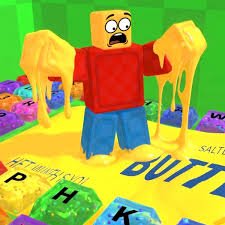
Rainbow Obby is a colorful multiplayer platform game from emolingo games where you run, jump, climb, drive, and ride through large obstacle courses while trying to reach the end without falling. Classic Mode gives you the traditional parkour experience, but the game has grown into more than that with Car, Bike, Ladder, Troll, River, Plane, Knockout, Cart, and other modes.
The basic controls are easy, but the game became much easier for me once I stopped rushing every jump. A short pause before a narrow platform usually saves more time than falling and repeating the section.
| Game Detail | Information |
|---|---|
| Game | Rainbow Obby |
| Developer | emolingo games |
| Genre | Platform, Obby |
| Gameplay Style | Parkour, obstacle courses, multiplayer modes |
| Movement | WASD |
| Jump | Spacebar |
| Supported Devices | Desktop, Phone, Tablet |
| Browser Release | September 2023 |
| Latest Verified Update | August 2026 |
| Current Rating | 4.1 |
| Current Votes | 1.52M+ |
| Game Modes | 10+ |
| Multiplayer | Yes |
The current platform information identifies emolingo games as the developer and confirms support for desktop, phone, and tablet.
Start With Classic Mode
Classic Mode is the easiest place to understand how Rainbow Obby works.
You move through three different worlds filled with hundreds of obstacles. The course asks you to run, jump, and climb across platforms while avoiding falls.
I would start here before trying the vehicle modes.
Classic Mode teaches the basic movement timing without adding car handling or bike balance on top of it.
Once you understand how far the character jumps and how quickly movement responds, the other modes become easier to read.
Rainbow Obby Controls
The main desktop controls are simple:
- W: Move forward
- A: Move left
- S: Move backward
- D: Move right
- Spacebar: Jump
These controls are confirmed by the current game listing.
The MDN KeyboardEvent documentation explains how browser applications detect keyboard input such as movement and jump commands.
There are not many buttons to remember.
Most mistakes come from timing or positioning rather than forgetting a control.
Look At The Landing Before You Jump
One of the most useful habits is looking at where you want to land instead of concentrating only on the gap.
I made more mistakes when I watched the edge I was jumping from.
Looking toward the landing platform gives you a clearer idea of:
- How far you need to travel
- Whether the platform is narrow
- Which side gives you more room
- Whether another obstacle begins immediately afterward
A successful jump should not only clear the gap.
It should leave you in a good position for the next section.
Three Worlds In Classic Mode
Classic Mode contains three different worlds with hundreds of obstacles.
That gives the main parkour mode much more structure than one long repeated course.
Different areas can change:
- Platform spacing
- Jump timing
- Climbing sections
- Obstacle patterns
- Narrow paths
The controls stay the same, but the situations become more demanding.
That makes progression feel natural.
You improve because your movement becomes more consistent rather than because the game keeps adding new buttons.
Car Mode Changes The Challenge
Car Mode replaces ordinary running with vehicle movement.
The developer describes it as a mode filled with:
- Ramps
- Jumps
- Tricky roads
This makes speed management much more important.
A mistake I would avoid is treating the accelerator like something that should always be held.
On narrow elevated roads, extra speed reduces the amount of time available to correct your line.
Slow down before difficult sections and build speed again when the road opens.
Bike Mode Needs More Control
Bike Mode keeps the obstacle-course idea but puts you on a bicycle.
That sounds easier because the bike can move quickly, but the developer specifically describes it as a difficult variation of Classic Mode.
The main problem is precision.
A route that feels comfortable while running can become harder when you are controlling a bike.
I would use smaller steering corrections and avoid trying to recover from a bad angle with one large movement.
More Than 10 Modes
Rainbow Obby now includes more than 10 game modes.
Alongside the three best-known modes, the current game also includes options such as:
- Ladder Mode
- Troll Mode
- River Mode
- Plane Mode
- Knockout Mode
- Cart Mode
Each changes how the obstacle-course idea works.
That gives the game much more replay value than completing Classic Mode once and stopping.
Ladder Mode
Ladder Mode changes how you think about vertical movement.
Instead of relying mainly on ordinary platform jumps, progression involves climbing and positioning around ladder-based sections.
The useful habit is slowing down near narrow transitions.
Trying to combine too many directional inputs at once can make your character move past the position you actually wanted.
Troll Mode
Troll Mode is designed to make the course less predictable.
Some sections can interfere with players or behave in ways that are deliberately inconvenient.
That means memorizing only the visible route may not be enough.
I would approach unfamiliar sections more carefully instead of assuming every platform behaves exactly as expected.
The mode works best when you treat surprises as part of the challenge rather than trying to rush through them.
River Mode
River Mode gives the obstacle-course structure a different setting.
The main lesson is still the same:
read the route before committing.
When the environment changes, players often forget the movement habits they learned in Classic Mode.
The controls may feel different because the surroundings change, but the useful principles remain:
keep space around your character and plan the next landing.
Plane Mode
Plane Mode changes movement much more dramatically.
You are no longer dealing only with normal running and jumping.
That means earlier parkour habits may not transfer perfectly.
I would use the first part of the mode to understand how quickly the plane changes direction before trying to move aggressively through later sections.
The safest way to learn a new control style is through small movements first.
Knockout Mode
Knockout Mode adds more direct competition.
The objective is not only getting through the obstacle course but also dealing with other players who can make progress harder.
This changes route choice.
A crowded platform may be technically safe but still be a poor place to enter when several players are already there.
Sometimes waiting for a clearer path is quicker than joining a crowded section immediately.
Cart Mode
Cart Mode gives you another vehicle-based variation.
Like Car Mode, it changes how momentum works.
The main challenge is judging how early you need to prepare for:
- Turns
- Gaps
- Narrow sections
- Changes in elevation
Vehicle modes reward looking farther ahead because stopping or changing direction may take more space than normal running.
Jetpacks Can Help With Difficult Sections
Rainbow Obby includes helpful items such as jetpacks.
These can assist when a level repeatedly blocks your progress.
I would not use one simply because a section looks intimidating.
Try the normal route first.
You may only need to change the timing of one jump.
Helpful items make more sense when you already understand why the section is causing trouble.
Springs Give You Another Option
Springs are another support item available in difficult parts of the game.
They can change how you approach gaps or higher platforms.
The useful part is understanding where the spring is going to leave you.
A larger jump does not help if the landing position is worse.
Treat the spring as another movement tool rather than an automatic shortcut.
Multiplayer Changes How You Read Obstacles
Rainbow Obby is now described as a multiplayer platform game.
That means other players can become part of what you need to watch.
In some modes, another player may:
- Reach the obstacle first
- Block part of the route
- Trigger a troll mechanic
- Show you a successful jump
- Make a crowded platform harder to use
Watching someone else can be useful.
But I would not automatically copy their movement.
Their starting position may be different from yours.
Other Players Can Reveal A Route
One advantage of multiplayer is that another player may solve a section before you.
That gives you information.
Watch:
- Where they started the jump
- Where they landed
- Whether they slowed down
- Which side of the obstacle they used
Then decide whether that route also suits your position.
This can save several failed attempts on unfamiliar sections.
Checkpoints Make Long Courses Easier
Long obstacle courses are much less frustrating when progress is divided into manageable sections.
When a game saves progress at checkpoints, one fall does not always mean repeating the whole course.
That changes how you should approach difficult obstacles.
You can experiment more confidently when you know your previous progress is protected.
Even so, I would still learn the obstacle rather than repeatedly jumping without changing anything.
Slow Down On Narrow Platforms
A narrow platform usually does not require a dramatic movement.
Small corrections work better.
The mistake is holding a direction until your character reaches the middle and then trying to stop suddenly.
Instead:
move toward the platform, reduce input, then make a smaller adjustment if needed.
This feels slower for a moment but prevents many unnecessary falls.
Camera Position Can Affect A Jump
3D platform games can feel harder when the camera angle makes distance difficult to judge.
Before a precise jump, make sure you can clearly see:
- Your character
- The edge
- The landing platform
If the perspective makes the gap unclear, adjust your view before moving.
A good camera angle does not change the actual jump.
It makes the distance easier to understand.
Do Not Jump From Every Edge
Reaching the edge does not mean you must jump immediately.
Some obstacles move.
Other players may be crossing.
A platform ahead may not yet be in the best position.
Waiting one second can create a much easier opportunity.
I found this especially useful on moving or crowded sections.
Mobile And Tablet Support
Rainbow Obby currently supports:
- Desktop
- Phone
- Tablet
The current platform listing confirms all three device types.
Touchscreen controls replace the physical keyboard controls used on desktop.
The W3C Pointer Events specification explains how modern web applications can handle mouse, touch, and other pointer input through a common standard.
The courses remain the same.
The main difference is how you control movement.
Desktop Is Good For Precise Parkour
Desktop gives you physical WASD keys and Spacebar.
This is useful when a section requires several quick directional adjustments.
I would keep one hand position throughout a session.
Moving between different control layouts does not provide much benefit.
Consistency matters more.
Once the keys feel automatic, you can spend more attention looking at the next obstacle.
Who Created Rainbow Obby?
Rainbow Obby was created by emolingo games.
The developer’s official website lists Rainbow Obby as one of its main titles and says the game has recorded more than 100 million gameplays. The official emolingo games website also identifies the studio’s team and broader game catalogue.
The company describes its focus as creating optimized web and mobile games.
Its official technology list includes:
- Unity
- PlayCanvas
- MongoDB
- Redis
- JavaScript / TypeScript / C#
- Colyseus
That first-party information gives much stronger developer confirmation than copied game listings.
More Games From emolingo games
The developer is also associated with:
- Sword Masters
- Escape From School
- Disaster Arena
- Escape From Spider
- Draw my Path Obby
- Car Machines
- Grow My Farm
- Steal and Run
These titles are listed directly in emolingo games’ official portfolio.
Several share the same focus on multiplayer browser gameplay, but the mechanics vary considerably.
Rainbow Obby Vs Draw My Path Obby
Both games come from emolingo games and use obstacle courses.
The important difference is how you solve those obstacles.
Rainbow Obby focuses on:
- Running
- Jumping
- Climbing
- Vehicles
- Multiple modes
Draw my Path Obby adds a drawing mechanic where players create their own bridges, ramps, and platforms.
The developer’s official site describes Draw my Path Obby as a multiplayer game where you sketch routes through difficult areas.
Rainbow Obby is the better choice if you prefer traditional movement-based parkour.
Rainbow Obby Vs Disaster Arena
Disaster Arena is also made by emolingo games.
Instead of completing a long obstacle course, Disaster Arena focuses on surviving different environmental events such as volcanoes and tsunamis.
That creates a different kind of challenge.
Rainbow Obby rewards precise route execution.
Disaster Arena rewards reacting to changing conditions.
Both involve movement, but the reason you are moving is very different.
Release And Update History
The current verified platform timeline is:
Release: September 2023
Latest verified update: August 2026
The current English listing records August 2026 as its latest update.
Some localized platform metadata already displays September 2026, which suggests the update record may be propagating differently across regional pages.
For consistency, I would use the current English-platform value:
Latest verified update: August 2026
until the main listing changes.
Current Rainbow Obby Rating
The current browser listing shows approximately:
4.1 from more than 1.52 million votes.
That is a current platform snapshot.
Ratings and vote totals can continue changing as more players vote.
Is Rainbow Obby Multiplayer?
Yes.
The current game description explicitly identifies Rainbow Obby as a multiplayer platform game with more than 10 modes.
The developer’s own website also describes grabbing a friend and tackling the obstacle course together.
That is stronger evidence than simply assuming the game is multiplayer because other characters appear on screen.
Common Rainbow Obby Mistakes
The first mistake is jumping immediately after reaching every edge.
The second is staring only at your character instead of the landing platform.
Another mistake is making large movement corrections on narrow paths.
Players can also move too quickly into crowded multiplayer sections.
In Car and Bike modes, carrying too much speed into narrow areas creates another common problem.
The final mistake is using helper items before understanding why the obstacle is difficult.
A Better Way To Progress
I would start with Classic Mode.
Learn how far your character moves and jumps.
Next, get comfortable with the three main worlds.
After that, try Car and Bike modes.
Then move into the more unusual options such as Troll, Ladder, Plane, Knockout, and Cart.
This order makes the game easier to understand because each new mode adds something to movement you already know.
If a section repeatedly causes trouble, change one thing at a time.
Adjust the starting position.
Then the jump timing.
Then the direction.
That makes mistakes much easier to diagnose.
Related Categories
Rainbow Obby fits naturally into:
- Obby Games
- Platform Games
- Parkour Games
- Multiplayer Games
- 3D Games
- Car Games
- Bike Games
- Skill Games
- Mobile Games
Its current primary platform classification is Platform Games, while its expanding mode list makes it broader than a traditional single-course parkour game.
What Makes Rainbow Obby Different?
Rainbow Obby started from a very simple idea:
reach the top of a giant obstacle course.
What makes the current version more interesting is how many ways it now gives you to do that.
You can run.
Ride a bike.
Drive a car.
Use ladders.
Fly.
Play troll-focused stages.
Enter knockout-style modes.
Use springs or a jetpack when a section becomes difficult.
The basic challenge is still movement and timing, but each mode changes what good movement looks like.
For me, that variety is the strongest reason Rainbow Obby lasts longer than a one-course platform game.


Reviews
There are no reviews yet.